A car that will not start usually gives you a clue: silence, a single click, rapid clicking, cranking without firing, or a warning message. Identify the symptom first, then perform only safe checks while parked in a secure place.
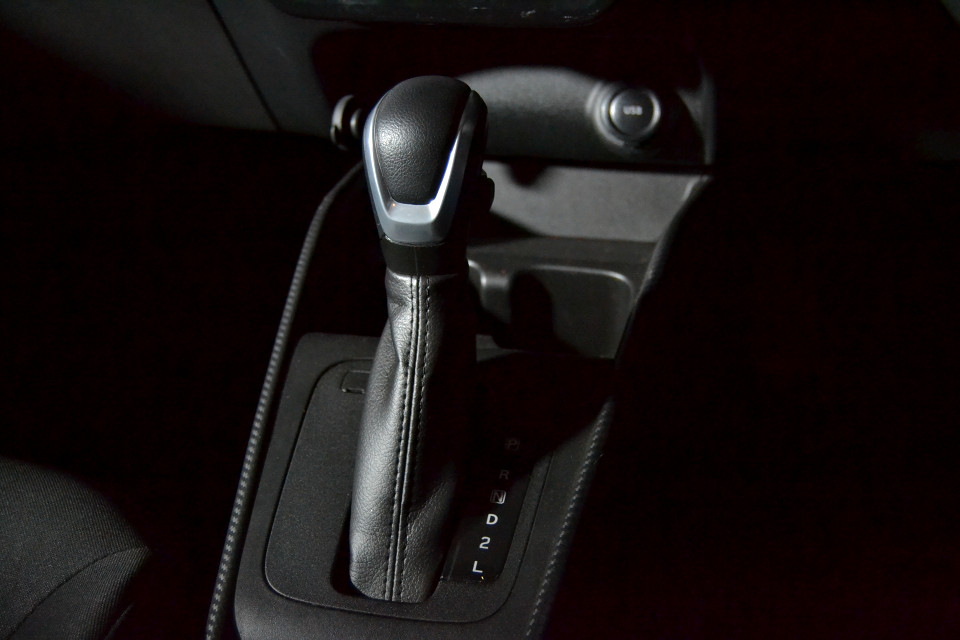
Vehicle image used for general no-start troubleshooting context. Image: Motordeal Premium media library.
First: stay safe
Switch on hazard lights if you are stopped near traffic, apply the parking brake and keep people clear of moving vehicles. Never work under a car supported only by a jack. If you smell fuel, see smoke, notice a hot battery or suspect an electrical short, stop and call qualified roadside assistance.
1. Check the obvious controls
Confirm the automatic selector is in Park or Neutral, or that the clutch is fully depressed in a manual vehicle. Check that the key or start button is being recognised and that the immobiliser light is behaving normally. Do not repeatedly force a key or start button.
2. Look at the instrument cluster
Do the dashboard lights appear normally? If the cluster is completely dead, the battery, battery connection, main fuse or another electrical supply may be involved. If the lights are bright but the engine does not crank, the starter circuit or an interlock may need attention.
3. Listen to the starting sound
No sound: possible flat battery, poor connection, starter or control issue.
One click: battery power, terminals or starter circuit may be involved.
Rapid clicks: often associated with insufficient battery voltage.
Normal cranking but no start: fuel, ignition, immobiliser, sensor or engine-management causes are possible.
These are clues, not a diagnosis. Modern vehicles can store faults that need proper diagnostic equipment.
4. Check the battery connections visually
With the ignition off, look for loose or heavily corroded battery terminals. Do not bridge terminals with metal tools, and do not touch a damaged or swollen battery. If you are not trained to use jump leads or a booster pack, request roadside assistance.
5. Try the spare key
A weak key-fob battery or immobiliser-recognition problem can prevent starting on some vehicles. Use the emergency key or key-recognition position described in the owner’s manual. Never bypass the immobiliser.
6. Check fuel and recent symptoms
Confirm the fuel level independently of the gauge if it may be inaccurate. Think about what happened before the failure: a recent battery replacement, water exposure, warning light, rough running or unusual smell can help a technician.
7. Know when to stop trying
Repeated starting attempts can discharge the battery and may introduce other risks. Stop if the engine does not respond, the vehicle is in an unsafe location, the engine overheats, warning messages appear, or you smell fuel.
When to call a professional
Call a qualified technician or roadside provider for persistent no-start faults, immobiliser warnings, high-voltage vehicles, fuel smells, smoke, damaged wiring or any situation where you are unsure. Contact Motordeal Premium for vehicle guidance, or explore finance options when replacing an unreliable vehicle.
Information checked: 27 August 2026. Always follow the owner’s manual and vehicle-specific safety instructions. This article is general guidance, not a diagnosis or repair procedure.