





Should You Buy an Electric Car in South Africa? 8 Questions to Ask First
28 August 2026
Considering an electric car in South Africa? Ask these eight practical questions about charging, range, costs, support and daily use.

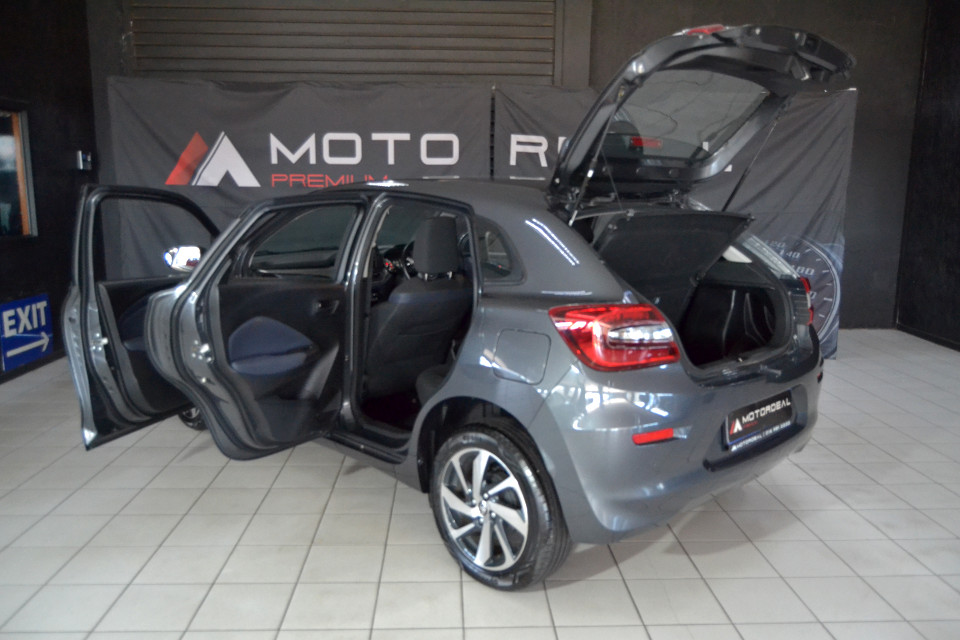
Before you make an offer on a used car, spend 15 minutes checking the paperwork, body, tyres, engine bay, interior and road behaviour. A quick inspection cannot replace a professional assessment, but it can help you spot expensive questions before you commit.
Do not rely on a verbal promise that the paperwork will be supplied later. Make the documents part of your buying decision.
Look along the body panels from different angles. Uneven gaps, mismatched paint, overspray on rubber seals and different panel shades can indicate previous repairs. Check the windscreen, lamps, mirrors, under-bumper areas and roof for cracks or damage.
Inspect tread wear across each tyre, not only the remaining tread in the centre. Uneven inner-edge wear can point to alignment, suspension or accident-related issues. Check that the tyres are a matching, road-legal specification and look for sidewall bulges, cuts or exposed cords. Do not drive a vehicle with unsafe tyres.
With the engine cold, look for fresh oil or coolant leaks, damaged wiring, loose clips and fluid levels that appear unusually low. A clean engine bay is not proof of good condition, and a dusty engine is not automatically a problem. Ask for a cold start so you can observe how the engine behaves from startup.
Switch on the ignition and confirm that warning lamps illuminate for their self-check, then go out after the engine starts where appropriate. Test the air-conditioning, windows, central locking, lights, wipers, camera, parking sensors and infotainment. Do not accept an airbag, ABS or engine warning lamp that has simply been covered or explained away.
Test the vehicle on a route that includes smooth road, stop-start traffic and a safe braking situation. Notice steering pull, vibration, clutch engagement, automatic-gear changes, brake feel, suspension knocks and overheating. Keep both hands available and do not use your phone while driving.
A professional inspection can assess mechanical, electrical, structural and diagnostic issues that a buyer cannot reliably confirm in a car park. If the seller refuses a reasonable independent inspection, treat that as a serious buying signal.
Buyer’s rule: never let urgency replace verification. Browse Motordeal Premium’s showroom or speak to our team about the vehicle’s history and condition.
Follow @motordeal_premium and @motordealpremium on Instagram for more buyer advice, and join the conversation on Facebook.
Information checked: 27 August 2026. Further reading: Arrive Alive vehicle-safety guidance. This guide is educational and does not replace an independent inspection by a qualified professional.